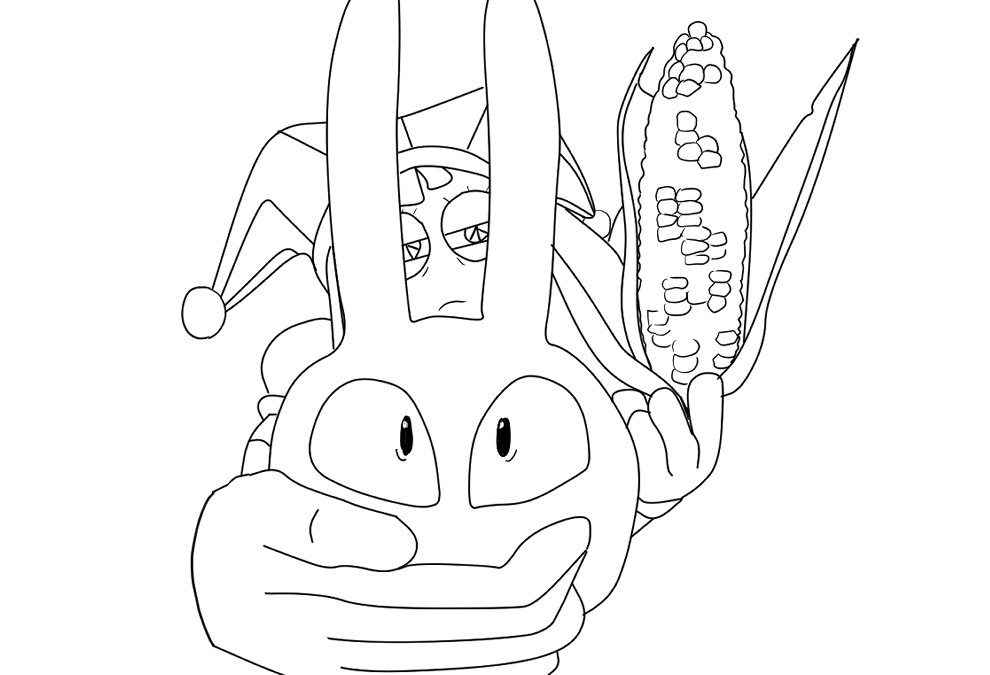
Every decade or so an asshole purple rabbit comes along to terrorise the next generation.
This time, the rabbit in the maid costume is heading to cinemas worldwide, forcing a much bigger question: what happens when an internet fandom outgrows the internet?
If you’re here, you probably know Glitch’s dark-comedy surrealist YouTube series The Amazing Digital Circus (TADC).
A bunch of cartoon characters that hate their lives and want to leave this virtual reality world they’re trapped in keep getting subjected to the whims of a wacky AI (and their own personal traumas).
Today, there’s no more Mr Nice Guy for the world of film. A massive milestone has been achieved for independent web series, and the balance of power between independent creators and Hollywood studios has finally been altered.
In fact, the overwhelming global fan demand marks a massive shift for indie web animation. This 2023 series became an overnight, runaway hit. From the most viewed animation pilot on YouTube, now TADC is heading to over 1,800 global cinema screens.
When Glitch announced the theatrical finale, the fandom responded by generating $5 million in US pre-sales within just four days, forcing theatre chains to scramble and double their originally planned screen count.
Tickets are now live on the Official Digital Circus Movie Site for screenings spanning North America, South America, Europe, Asia and Oceania.
Yet TADC’s transition to cinema is a direct result of something called fandom equity.
In corporate entertainment, “brand equity” is owned entirely by the studio; fans are just consumers. With TADC, its expansion is built on fandom equity, so the very emotional and creative capital invested by its fans while the show was free. When that equity forces its way into physical theatres, it radically alters how independent media behaves.
Historically, for an animated story to reach global cinema screens, an independent creator had to sign away their intellectual property rights to a monolith like Disney, Warner Bros., or Netflix, or to traditional publishing houses like Simon & Schuster or Penguin Random House.
This meant giving corporate executives the power to sanitise the story for broad commercial appeal. In fanfiction, look no further than the mega-franchises Fifty Shades of Grey (which began as free Twilight fanfiction) or Anna Todd’s After (originally a viral One Direction fanfiction).
By taking a free web series directly to major chains like Cineworld and ODEON, Glitch Productions proves that millions of passionate internet viewers provide enough financial leverage to bypass the Hollywood gatekeepers entirely.
The result is that creators can make cinematic-scale decisions while maintaining 100% creative control, proving that uncompromised or experimental storytelling can succeed commercially.
Where does fanfiction come into this?
In standard Hollywood franchises, fanfiction acts as a reactive subculture: fans responding to a corporate-mandated product. For a web series built on fandom equity, the writing on platforms like AO3 (alongside other content) is often what keeps the IP culturally relevant during the long months between episode releases.
Because independent creators have a direct relationship with their audience via algorithms, fan engagement directly signal what works. The line between “official canon” and “fan interpretation” blurs.
When TADC hits theatres, the audience sitting in the seats isn’t just familiar with the basic show; they are deeply invested in community-born theories, character analyses and AUs that have circulated for years. The theatrical film is effectively forced to compete with a massive body of community-generated lore (good luck with that, AO3 has a three-year head start).
As TADC takes over mainstream commercial spaces and sells Cineworld-exclusive merchandise, sectors of the internet are asking: Is it still truly indie? Some fans argue that calling a multi-million dollar theatrical release “independent” is merely a corporate marketing strategy to shield the production from critique.
This exact tension is playing out in fanfiction being commercialised. What happens to the soul of a story when it moves from a free community space into a corporate marketplace?
Massive Harry Potter fanfic All the Young Dudes will be adapted for traditional bookstore shelves, and as a consequence, will have to undergo a mandatory process of filing off the serial numbers. In fandom terms, it’s watching your favourite blorbo enter witness protection.
To avoid massive copyright lawsuits, publishers will completely scrub the very details, names and built-in lore that made the fanfic a fandom masterpiece in the first place. The story is effectively “washed” of its roots to become a viable commercial product.
It seems that for fanfiction to achieve mainstream commercial status, it must compromise its identity and strip away its original world to fit into the corporate legal framework. It loses its essence to gain a barcode.
Maybe that won’t always be the case. Fanfiction communities have spent decades proving that audiences are willing to invest emotionally in stories that exist outside traditional publishing structures. Perhaps one day they’ll find a way into the mainstream without having to leave so much of themselves behind.
And this is why TADC’s rebellion is very important.
Their theatrical run aims to prove that internet-born creators can enter the corporate playground on their own terms, without washing away the indie spirit that built them. It proves that independent web animation has finally matured into a self-sustaining ecosystem.
In the meanwhile, fanfiction, among many other types of content, acts as the ultimate focus group for these projects. By giving fans 100% creative freedom to write, remix and emotionalise these characters online, independent studios build a level of brand loyalty that traditional Hollywood studios can no longer replicate.
When our lil babies flash on the silver screen this June, they won’t just be representing Glitch Productions; they will be representing a massive, highly coordinated internet culture that successfully wrote its own ticket to Hollywood.
Countdown: – 7 days until film release.